Why Electric Vehicles?
Electric vehicles (EVs) are more than just a trend—they represent a profound transformation in the way we think about transportation, energy, and environmental responsibility. From reducing carbon footprints to offering new technological innovations, EVs are reshaping industries and society alike.
Electric vehicles have emerged as a solution to many of the pressing challenges humanity faces today. They aim to reduce the dependence on fossil fuels, combat air pollution, and mitigate climate change, while also offering consumers cost-effective, reliable alternatives to traditional vehicles.
Brands That Sell EVs
Hover your mouse to interact with the logos.

Tesla

Nissan

BMW

Ford

Audi

Chevrolet

Hyundai

Kia

Mercedes-Benz

Porsche

Volkswagen

Honda
EV FACTS
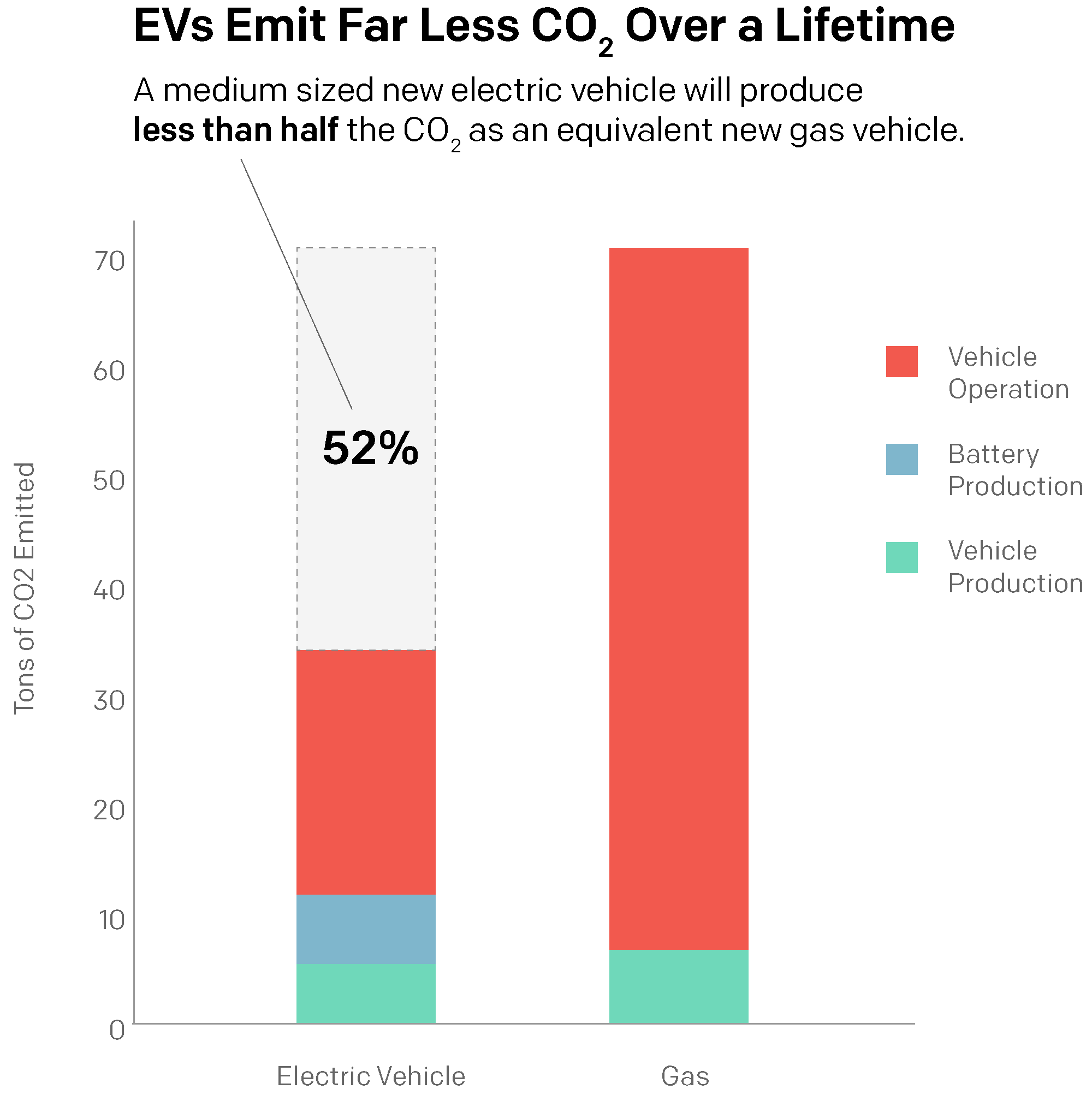
EVs Produce Less CO2 Over Their Lifetime
Electric vehicles are more environmentally friendly, producing significantly less CO2 during their lifecycle compared to conventional petrol cars. As the grid becomes greener, this impact will decrease even further.
Source: Earth Justice
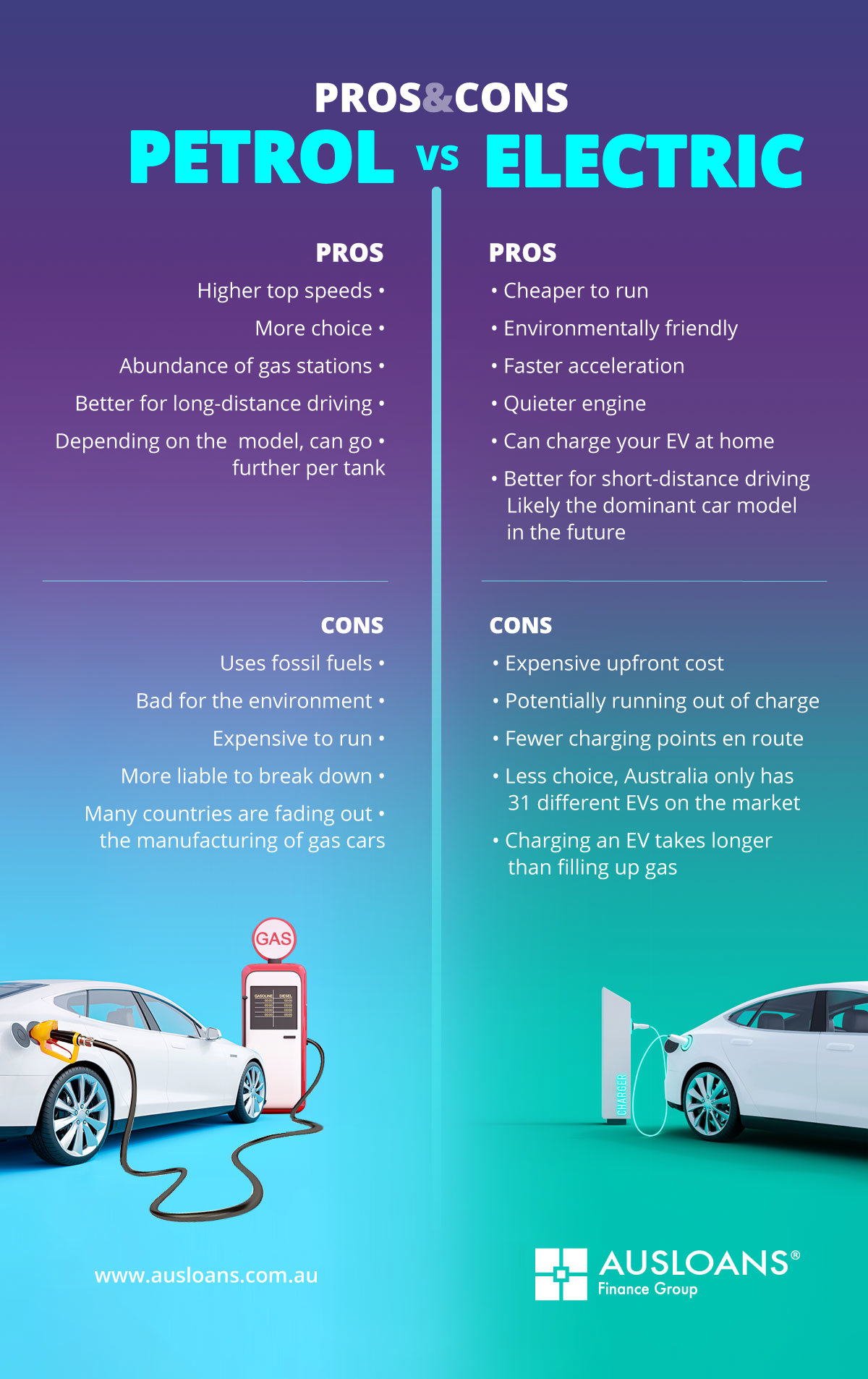
Pros and Cons of EVs vs Petrol Cars
Electric vehicles have a lower environmental impact and lower operating costs compared to petrol cars. However, they still face challenges like limited range and the availability of charging stations.
Source: AusLoans
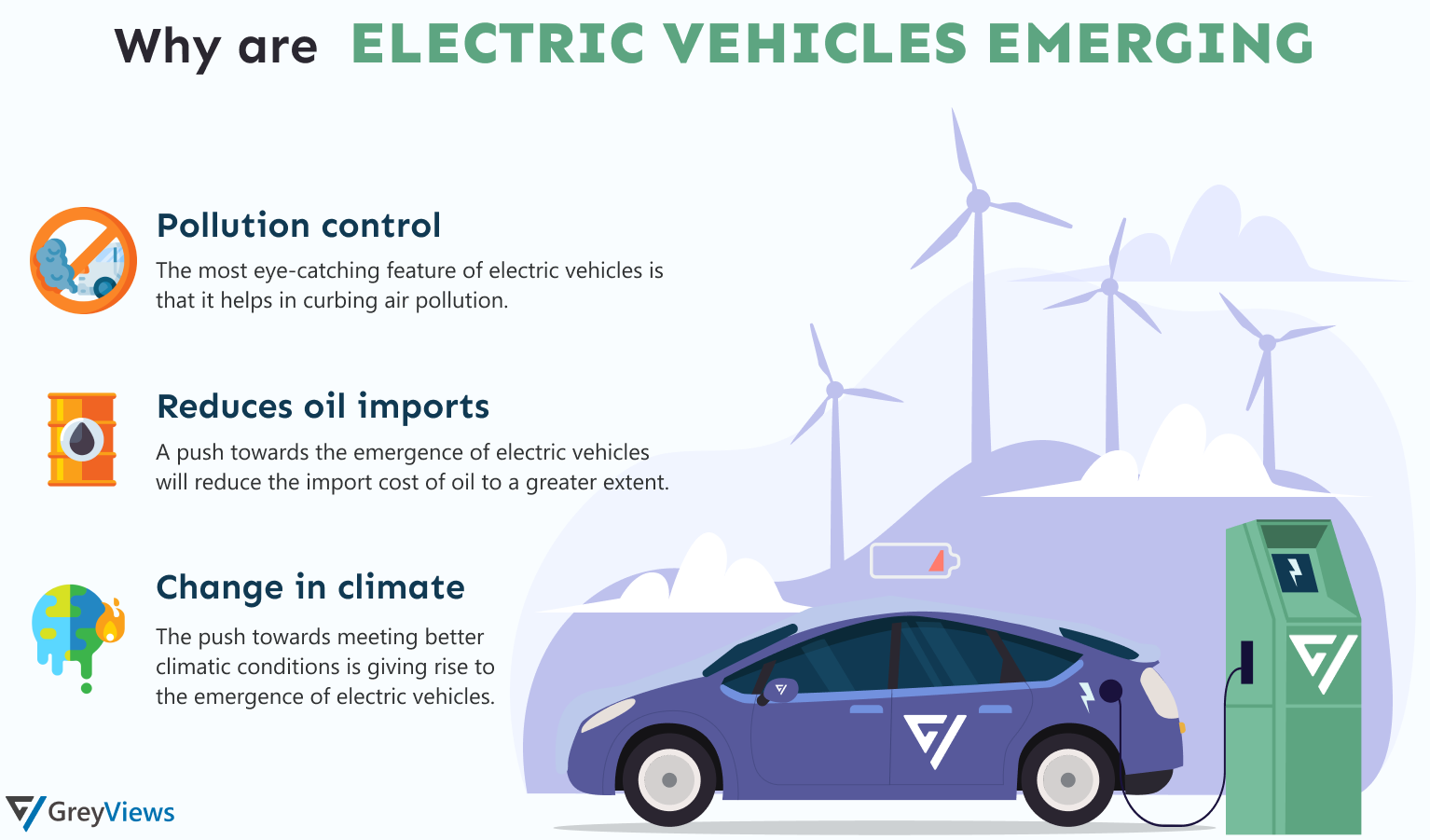
Why EV Cars Are Becoming a Trend
With advancements in technology and increasing awareness of environmental issues, electric vehicles are becoming more popular. They offer a sustainable alternative to traditional cars while providing exciting new features.
Source: Grey Views
Transformative Innovations in Electric Vehicles
Several groundbreaking innovations are at the heart of the EV revolution:
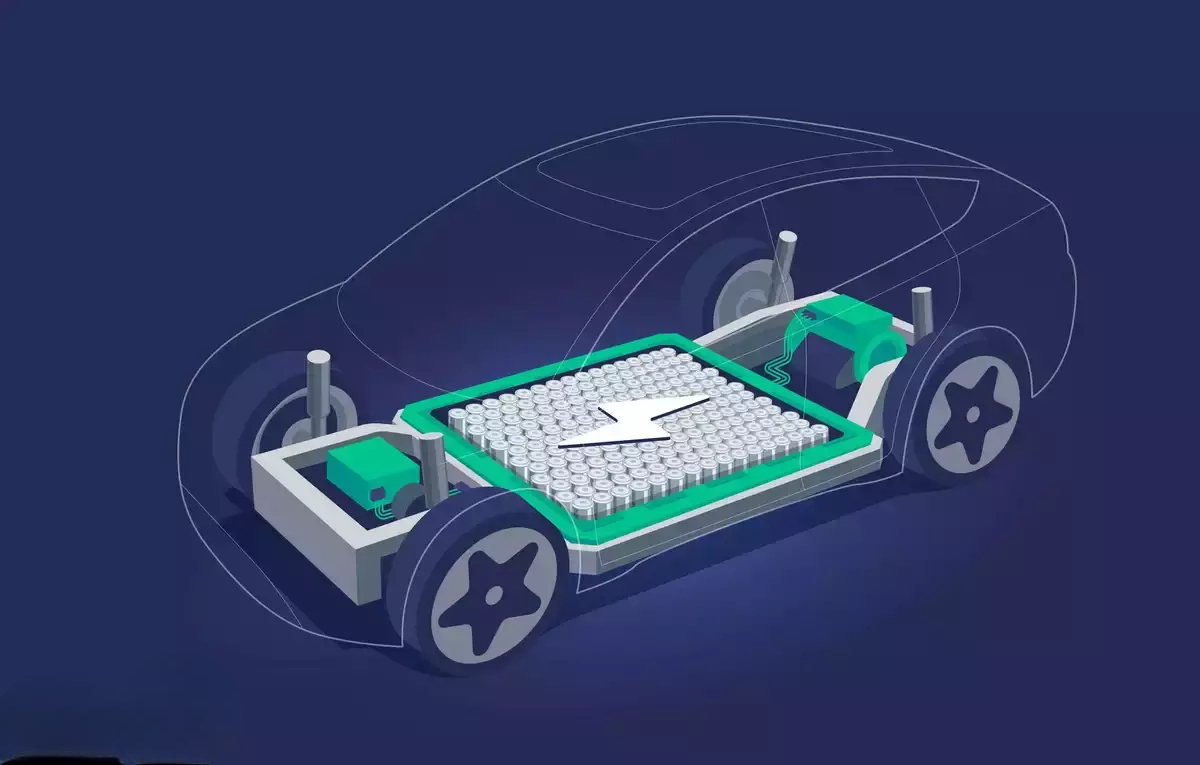
1. Battery Technology
One of the most significant innovations is the development of high-energy-density batteries, which has dramatically improved the range and performance of electric vehicles. Lithium-ion and solid-state batteries offer faster charging times, longer lifespans, and more efficient energy storage, pushing the EV market to new heights.
2. Autonomous Driving
Autonomous driving technologies are rapidly evolving in electric vehicles. Self-driving cars reduce human error and make transportation safer, while also offering convenience and accessibility to people who are unable to drive themselves.
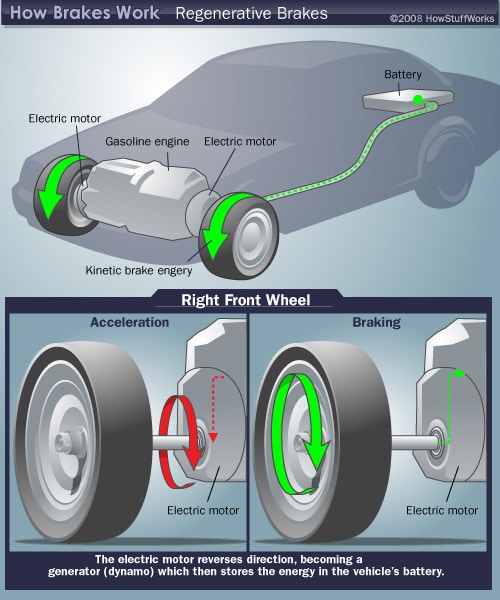
3. Regenerative Braking
Regenerative braking allows EVs to recover energy that would otherwise be lost during braking. This innovation improves energy efficiency, increases driving range, and reduces wear on mechanical brake components.
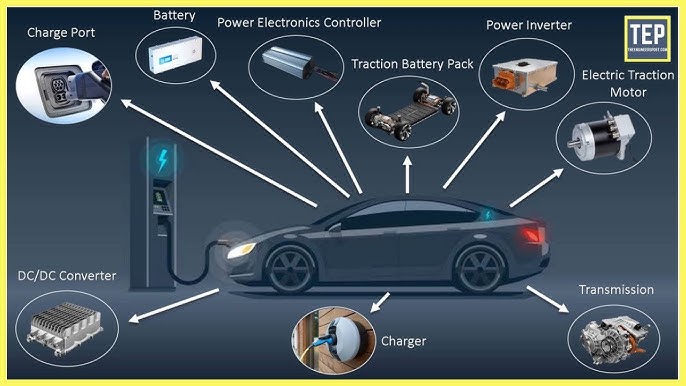
Purpose and Function of Electric Vehicles
Electric vehicles play a very important role in building a sustainable future. Their function is to provide an eco-friendly alternative to traditional gasoline-powered cars, reducing emissions, energy consumption, and overall environmental damage. EVs are designed to meet the transportation needs of modern society while minimizing the ecological footprint.
- Sustainability: EVs are mainly designed to provide sustainability in transportation and offer an environmentally friendly solution for reducing the consumption of fossil fuel.
- Cost-effectiveness: EVs have lower operating costs than conventional vehicles due to savings on fuel and maintenance costs.
- Energy Efficiency: EVs efficiently transform most of their energy into motion, using electric motors that are far less wasteful than internal combustion engines.
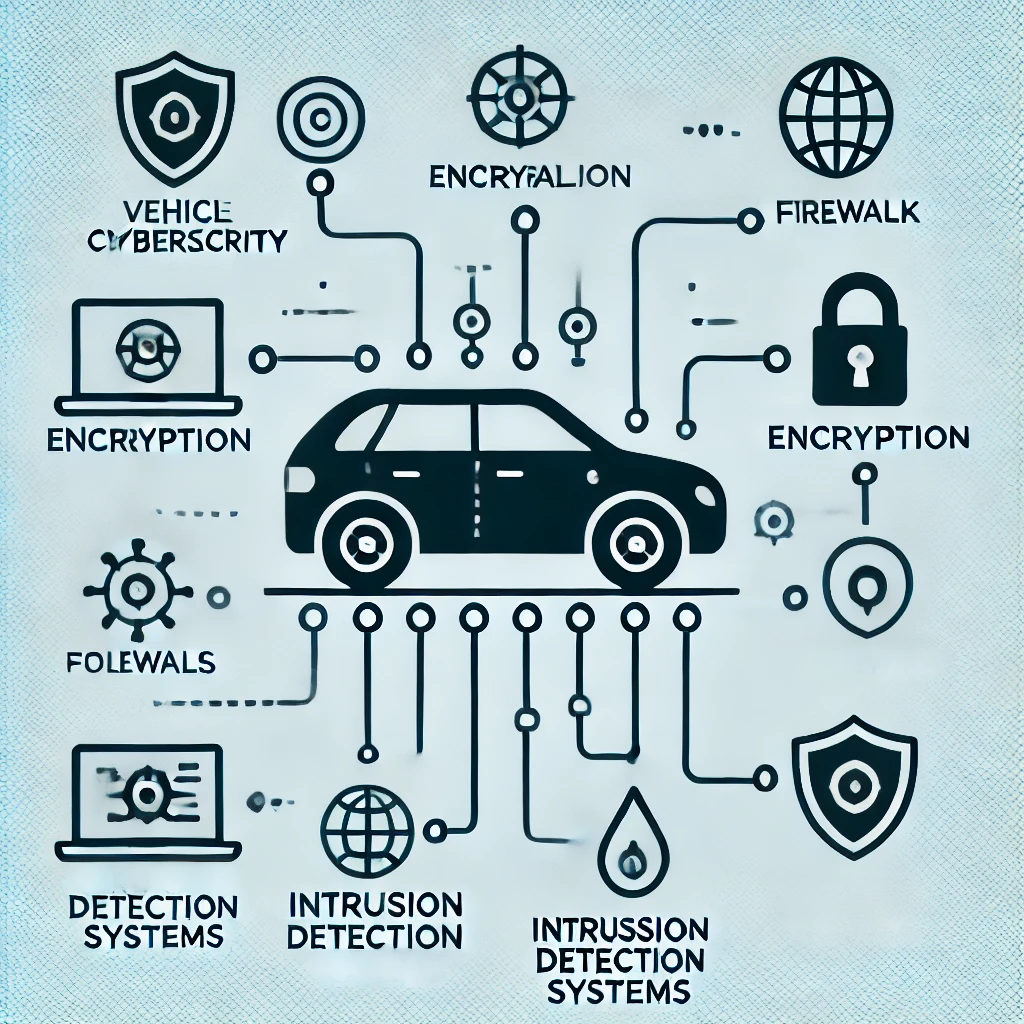
EV Security Analysis
With the world increasingly moving towards electric vehicles, addressing the security vulnerabilities of new technologies is quite paramount. For instance:
- Battery Safety: The risk of battery fire has been one of the worries, though this risk is much reduced with advances in BMS and safety protocols.
- Cybersecurity: With EVs being highly connected, the potential for cyber-attacks and data breaches is an emerging concern. Ensuring that vehicle communication systems and user data are kept secure is very important in terms of trust and security.
- Charging Station Security: With increasing EVs on the road, charging stations also need to be secured against potential threats for both the vehicle and the station infrastructure.
The Future of Electric Vehicles
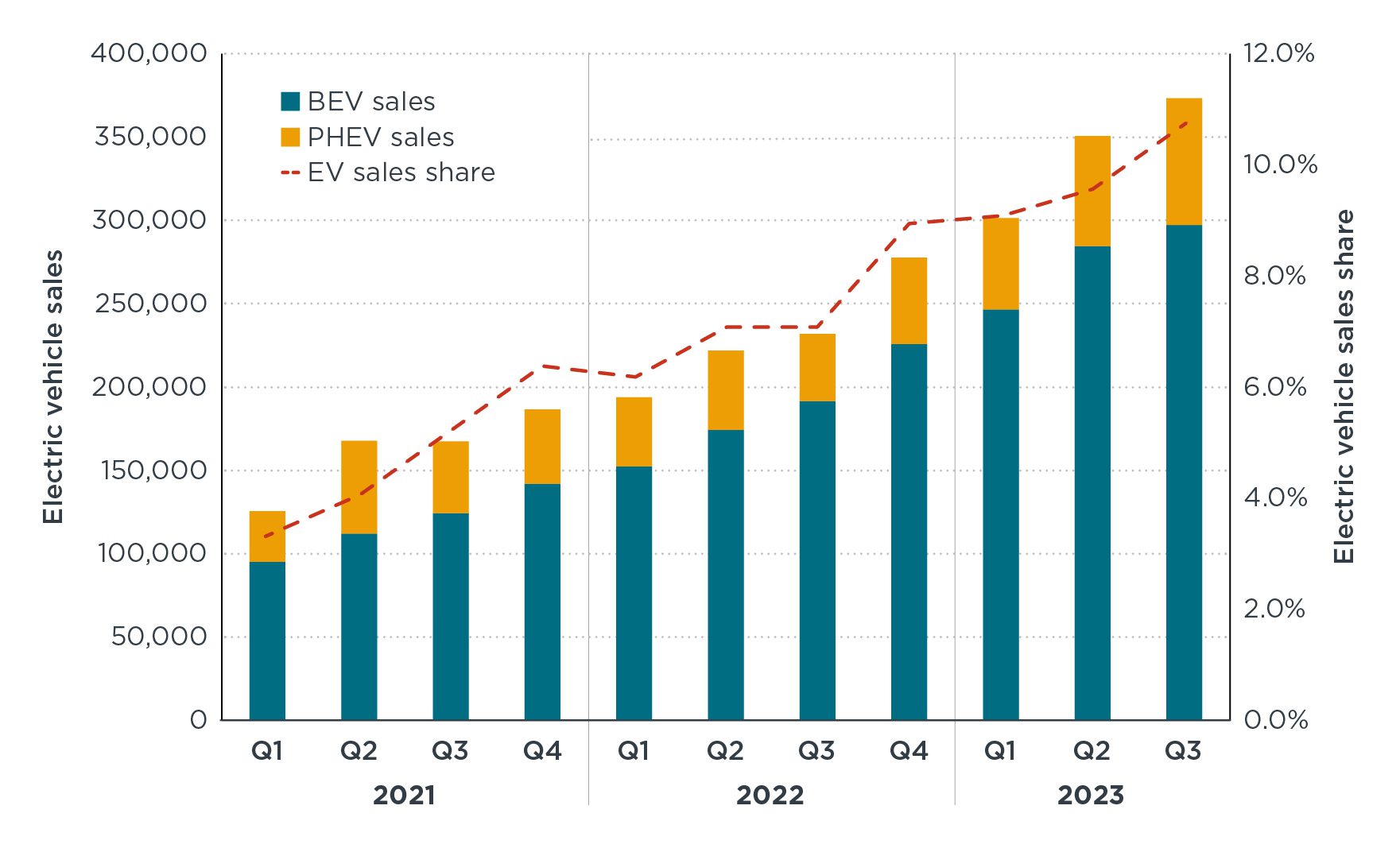
The future of electric vehicles is bright. We are seeing rapid expansion in charging infrastructure, improved technologies of batteries, and wider adoption across all classes of vehicles. And as renewable energy sources continue to proliferate, so will the part that EVs play in a sustainable, low-carbon future.
- Global Adoption: By 2040, EVs are expected to dominate the global automotive market, with many countries setting aggressive goals to phase out fossil fuel-powered vehicles.
- Integration with Smart Grids: EVs in the future will interface with smart grids, enabling energy management systems to optimize charging times and reduce peak-hour pressure on the grid.
- Vehicle-to-Grid Technology: V2G technology enables electric vehicles to become mobile energy storage units, contributing to grid stability by returning stored energy back to the grid during peak demand.